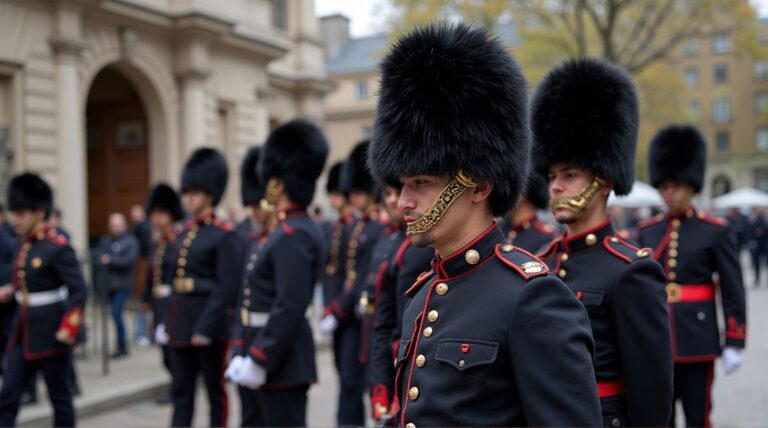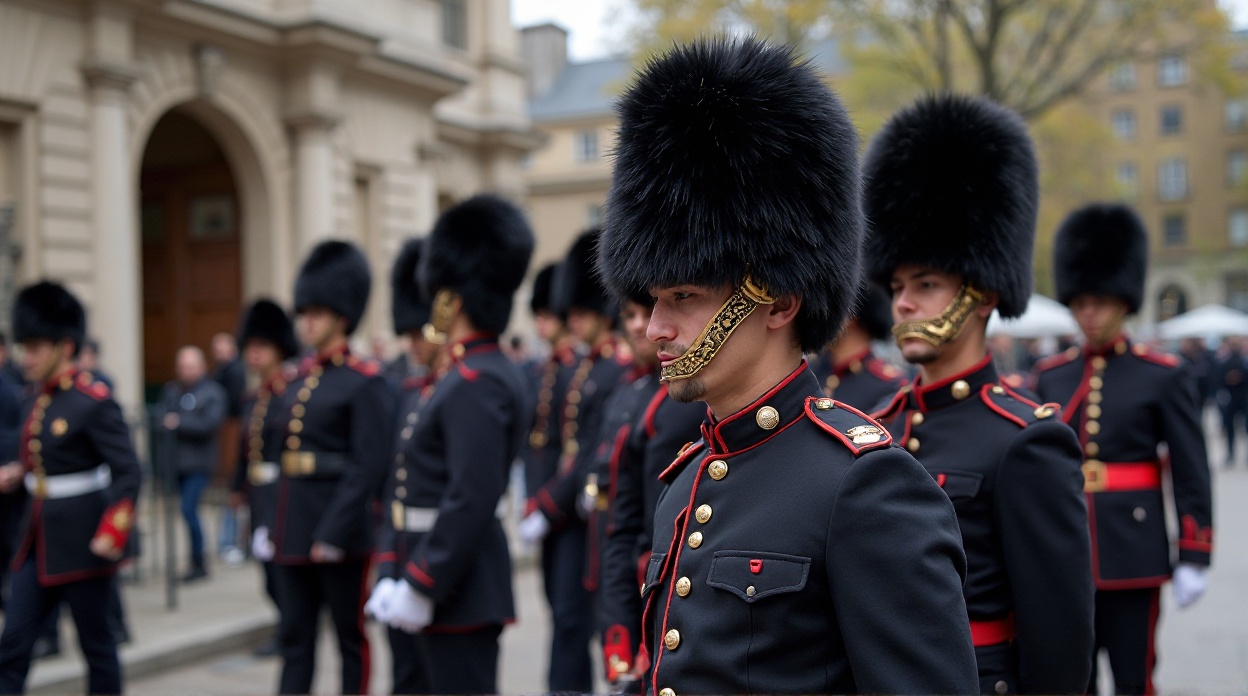
When you hear the term “close protection,” you might picture suited-up agents with earpieces or scenes straight out of a spy thriller. But the roots of close protection go much deeper—back to the dusty battlefields of medieval Europe, political intrigue in Renaissance courts, and even ancient royal entourages.
Today, close protection in London is a professionalized, highly regulated service. But to understand its true significance in modern society, it’s worth exploring how personal security evolved from ceremonial duty to a frontline defense against 21st-century threats.
A Glimpse into the Past: When Power Meant Peril
In ancient times, rulers were surrounded by loyal warriors whose job wasn’t just to fight wars, but to guard their leader day and night. The Roman Praetorian Guard, for example, wasn’t just symbolic—they were elite soldiers tasked with protecting emperors, often wielding as much influence as the leaders they protected.
Fast forward to medieval England, and we find the seeds of modern protective services in the retinues of kings and noblemen. The Battle of Hastings in 1066, where King Harold’s personal guard fought to protect him till the bitter end, illustrates just how integral these protectors were—not just for defense, but for continuity of leadership.
20th Century Shifts: From Muscle to Method
The assassination of Archduke Franz Ferdinand in 1914 is often cited as a classic case of failed protection—with global consequences. Events like this drove home the idea that personal protection is about more than brawn—it’s about strategy, planning, and intelligence.
By the 1960s and 70s, political unrest, terrorism, and high-profile criminal cases led governments and private sectors alike to develop systematic training programs. The U.S. Secret Service, the Swiss Guard at the Vatican, and Israel’s Shin Bet offered templates for modern protection agencies.
In London, a city with a dense concentration of diplomats, celebrities, and financial elites, this shift meant transforming private security into a serious, nuanced profession.
The London Landscape: Why Close Protection Matters
Today, London is one of the most surveilled cities in the world, yet also remains a hotspot for political demonstrations, celebrity events, and international summits. This paradox—high visibility and high risk—makes close protection in London more relevant than ever.
Close protection officers (CPOs) in the UK undergo rigorous vetting, SIA licensing, and extensive tactical training. But more than that, they study behavioral psychology, threat assessment, route mapping, and digital privacy. The modern bodyguard is often fluent in multiple languages and adept at using AI-driven tools to monitor risks in real-time.
They don’t just walk beside you—they think ten steps ahead of anyone who might wish you harm.
Who Uses Close Protection—And Why It’s Not Just for VIPs
While many associate protection services with celebrities or government officials, today’s clients include business executives, whistleblowers, witnesses under legal protection, and even concerned families. The growing demand for private security speaks to broader anxieties around cybercrime, surveillance, and public exposure.
Interestingly, parents of high-profile children, solo female travelers, and even influencers have begun to hire bodyguards London—not for show, but for peace of mind.
Close protection isn’t about paranoia—it’s about preparation.
Looking Forward: Tech Meets Tradition
From biometric surveillance to drone reconnaissance, the tools of modern security are evolving fast. But at the heart of close protection is still the human factor—intuition, empathy, and the ability to remain calm under pressure.
In the age of cancel culture, online doxxing, and AI-driven impersonation, the next frontier of personal safety lies not just in physical defense, but in protecting reputation, identity, and digital presence.
As London continues to grow as a hub of global politics, finance, and culture, so does the demand for smarter, more adaptive protection strategies. Whether it’s a discreet escort through Heathrow, or a 24-hour residential detail, one thing is clear: the tradition of safeguarding lives is alive and well—but more sophisticated than ever.
Curious about the practicalities of modern personal protection? Learn more about what’s involved in close protection in London, including planning, risk assessment, and legal requirements.
About the Author